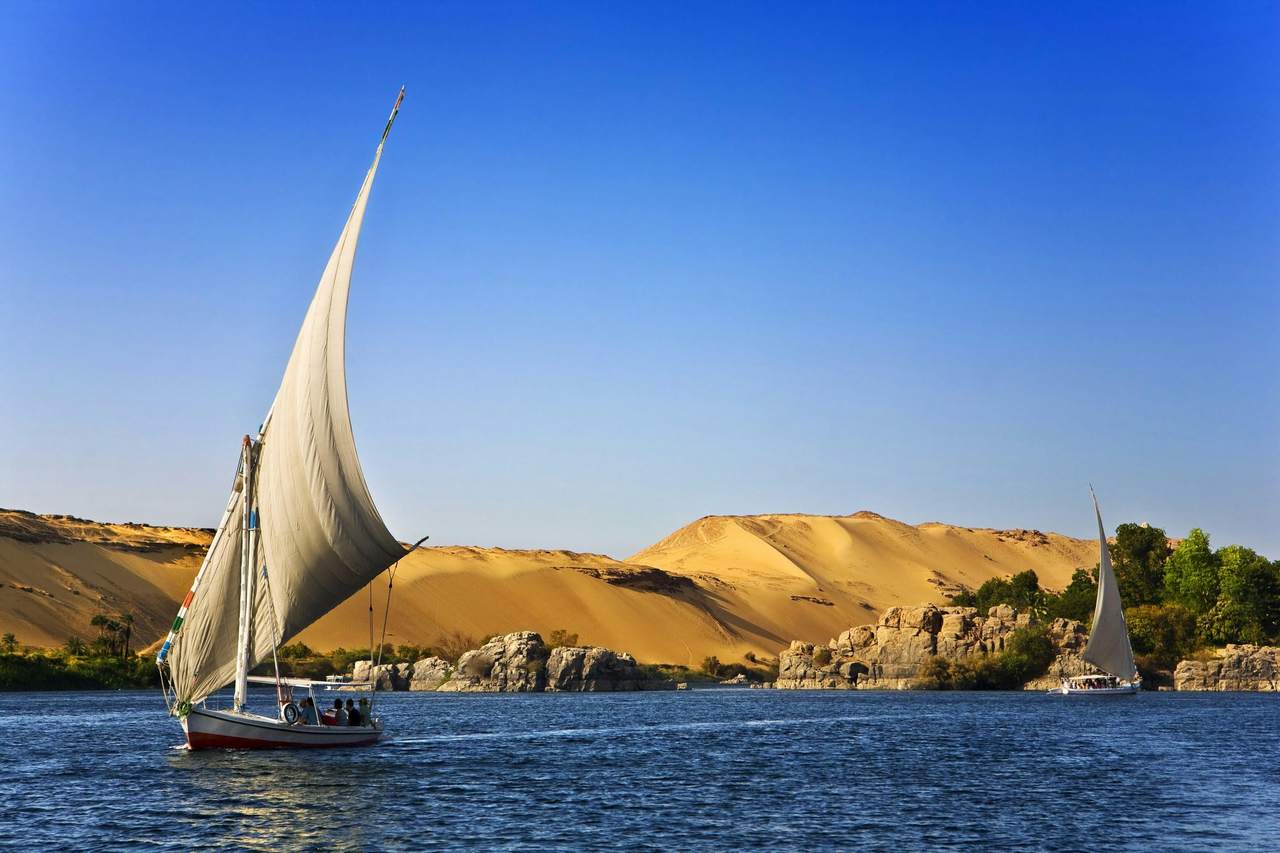
On the Nile's First Cataract
Aswan lies on the east bank of the Nile in the far south of Upper Egypt, at the First Cataract, where the river once ran through rapids of granite rock. For the ancient Egyptians this was the southern frontier of the kingdom: the town of Syene, a trading post on the road to Nubia and the source of the fine red granite used for obelisks, statues and temple blocks across the country. The Unfinished Obelisk still lies in the quarry where it was abandoned, a rare look at how the ancients cut stone.
Temples saved from the water
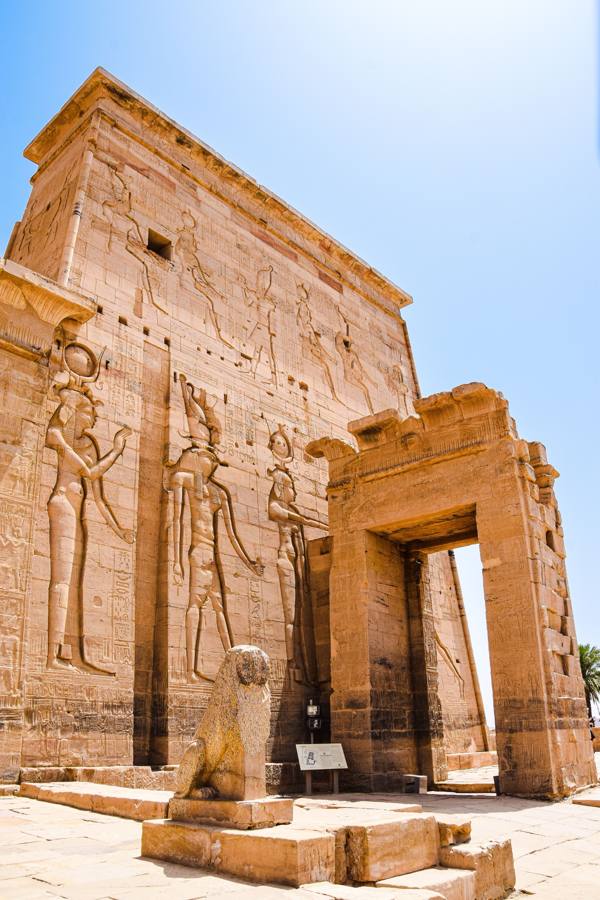
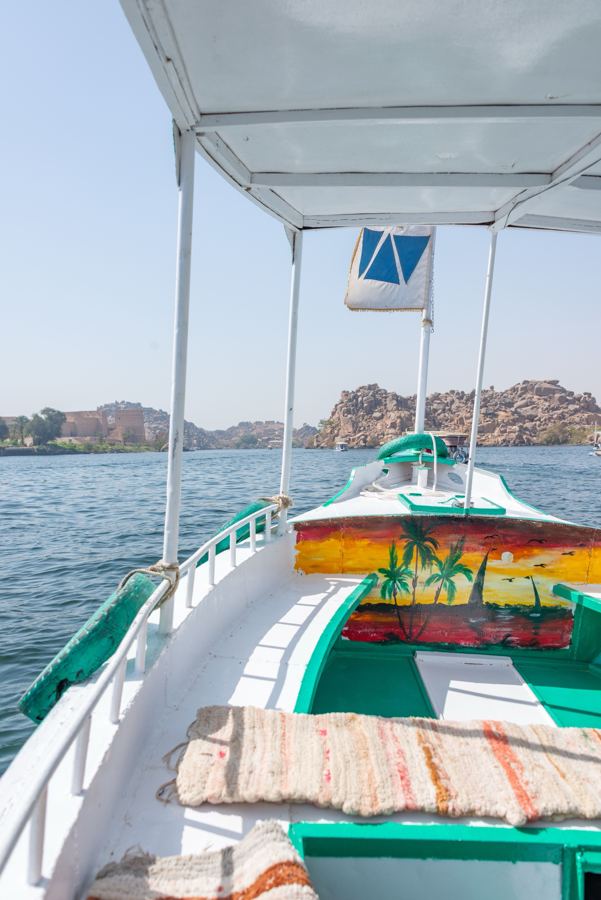
Building the Aswan High Dam in the 1960s created Lake Nasser and put much of Nubia's heritage at risk. An international UNESCO campaign cut and moved whole temples to higher ground, and the Nubian monuments from Abu Simbel to Philae are now a World Heritage Site. Today you can visit the Temple of Isis at Philae on its island by boat, and see the High Dam that changed the river's story, all in one morning.
A living Nubian culture
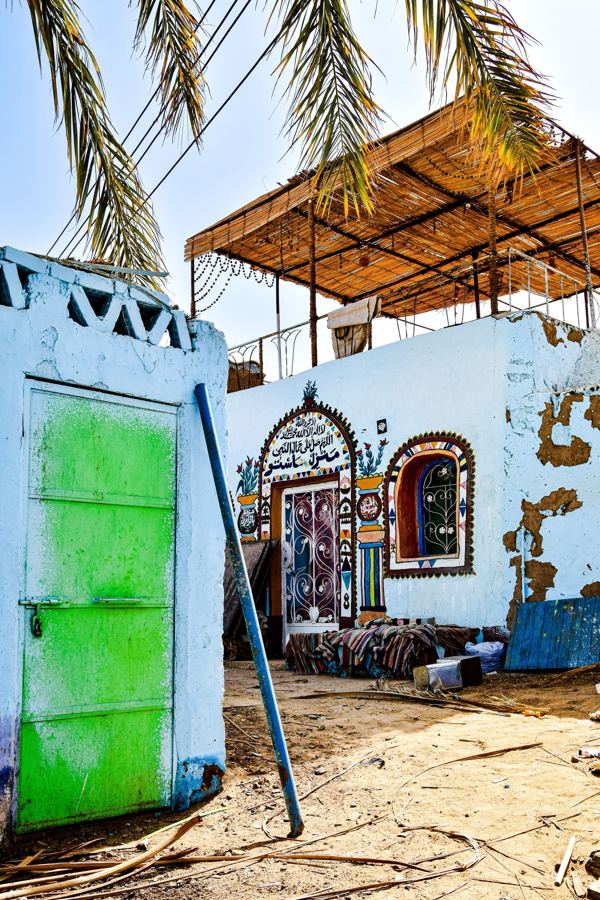
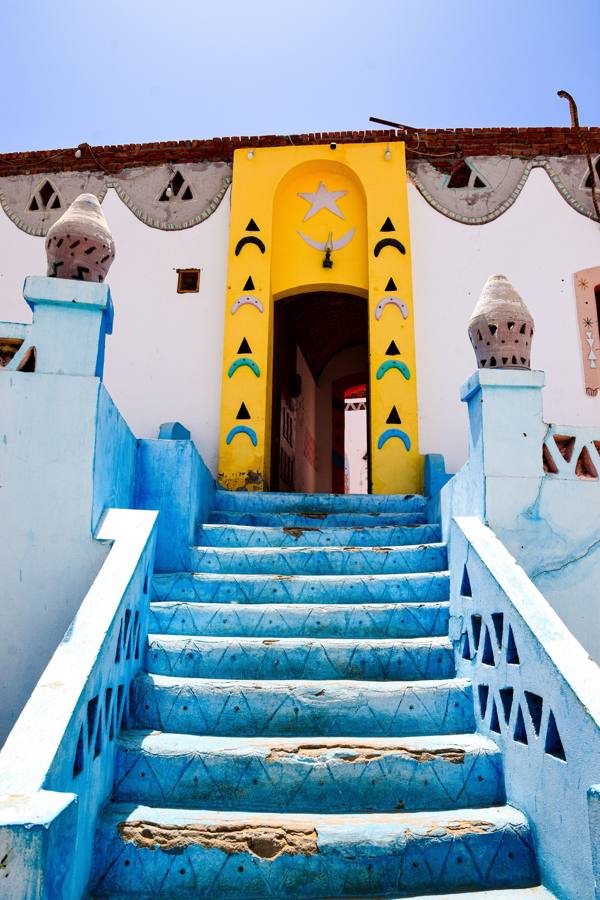
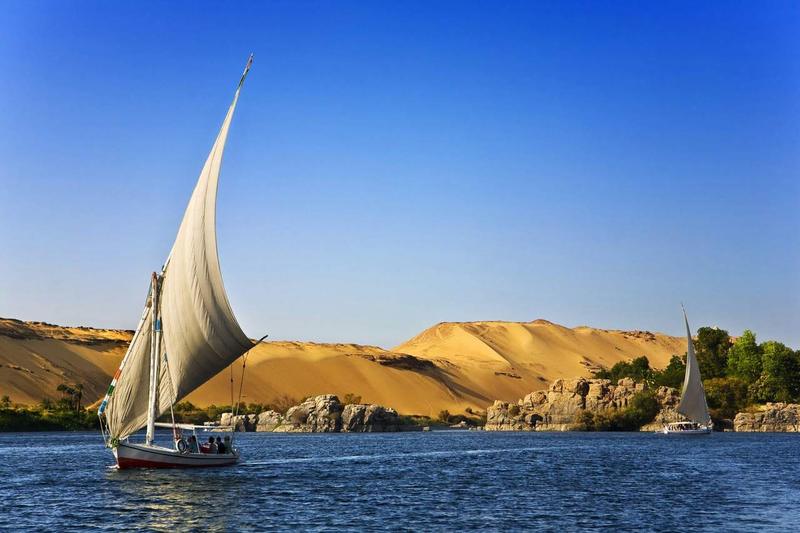
Aswan is the northern edge of Nubia, a homeland with its own languages, music, food and building traditions. Nubian houses are painted in bright blues, yellows and greens, and many families still welcome guests for tea, bread and conversation. A felucca trip to a Nubian village is the best way to meet this culture respectfully and on local terms.
Islands, light and calm water
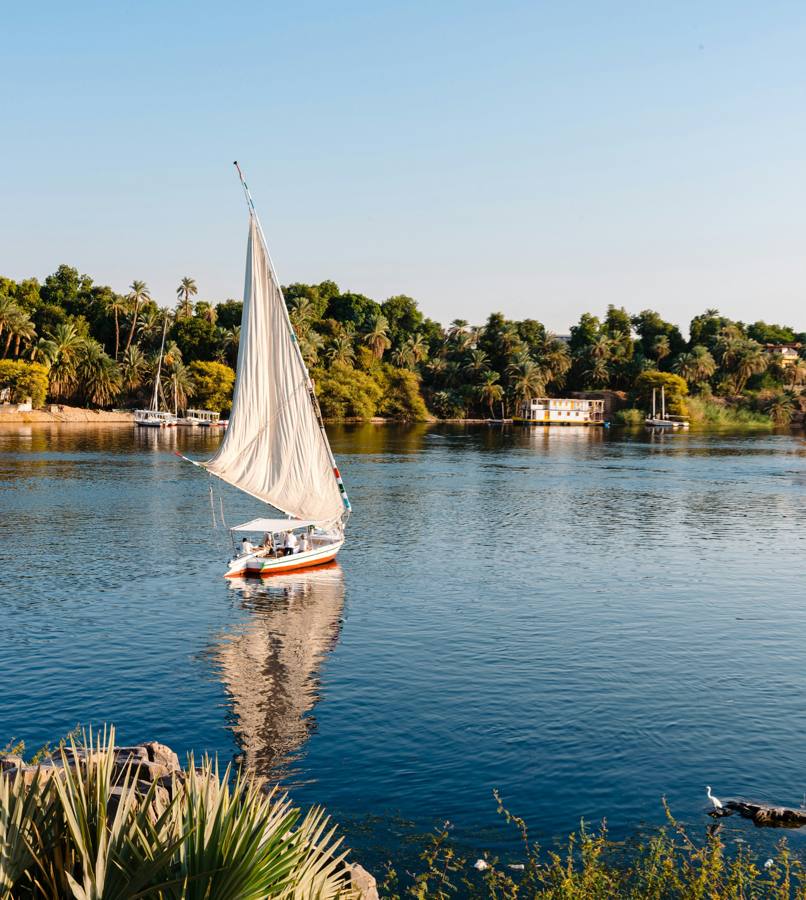
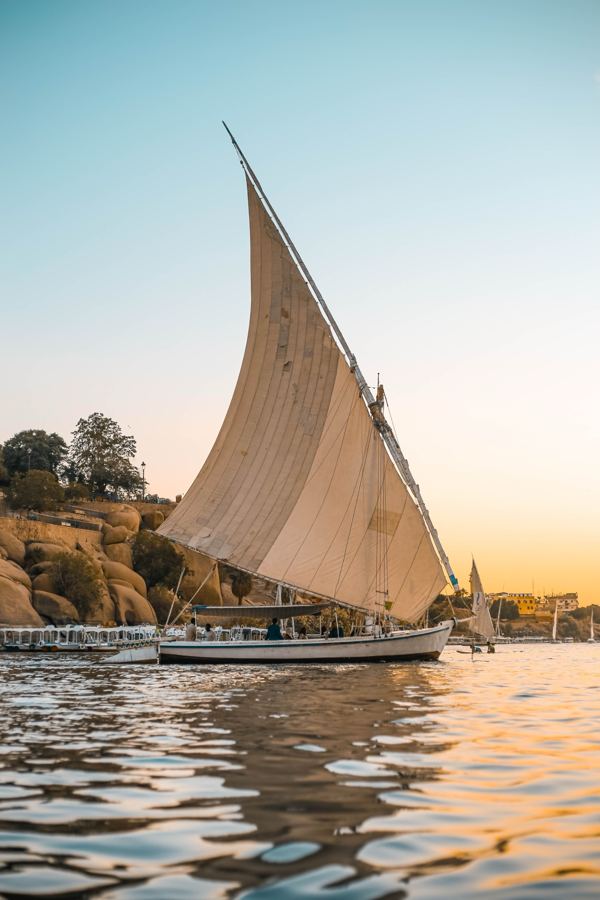
Elephantine Island holds the ruins of an ancient town and the old Nilometer, while other islands are green with gardens and bird life. The best hours here are early morning and sunset, when the granite glows and the sails of the feluccas catch the light. Aswan's winter days are dry and sunny, and the pace is gentler than Cairo or Luxor.
Stillness, meditation and slow travel
Few places in Egypt are as quiet as Aswan at the edges of the day. Dawn on the water, a felucca drifting at sunset, the stillness of Philae's island before the first visitors arrive, and the calm of a Nubian courtyard all suit travellers who want to slow down, meditate, practise yoga or simply be still. Meditation is part of what we arrange here: a dedicated private programme at Philae and on Hissa Island, with live music played by a musician who accompanies the session. It is designed as a slow half-day of about five hours that combines the temple visit, the meditation and a meal, and it can be run in any language. Ask us about the meditation programme.
Food, including vegetarian travellers
Egyptian and Nubian home cooking has many vegetarian dishes: ful medames, ta'ameya (falafel), lentil soup, koshari, grilled and stewed vegetables, salads, tahini and fresh bread, plus Aswan's fruit and karkadeh (hibiscus) drink. Vegetarian travellers eat very well here. Let us know your diet in advance and we will help you plan meals and stops that suit it.
The gateway to Abu Simbel
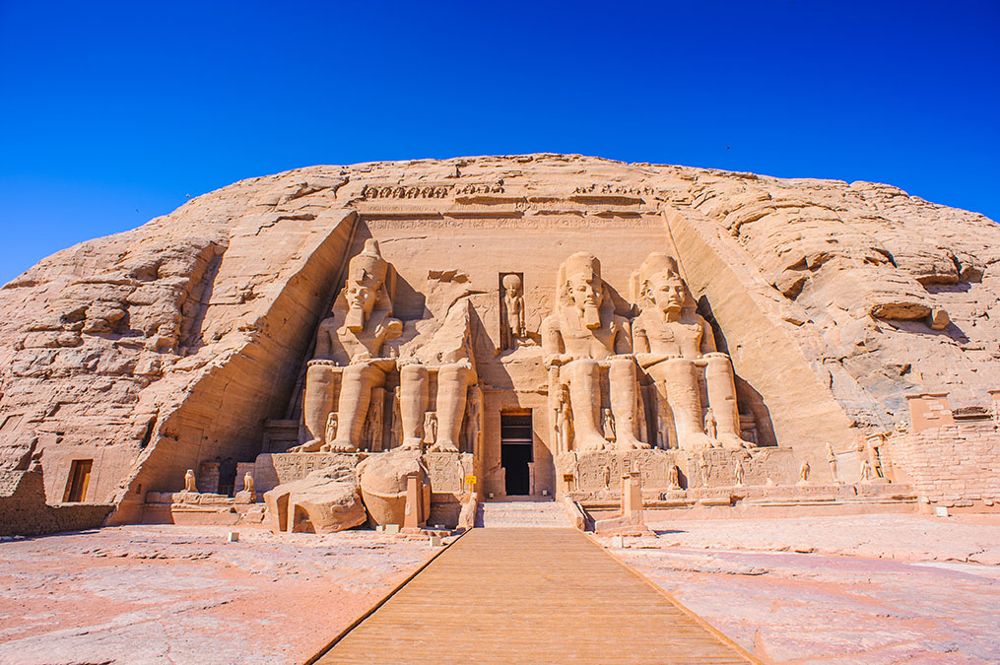
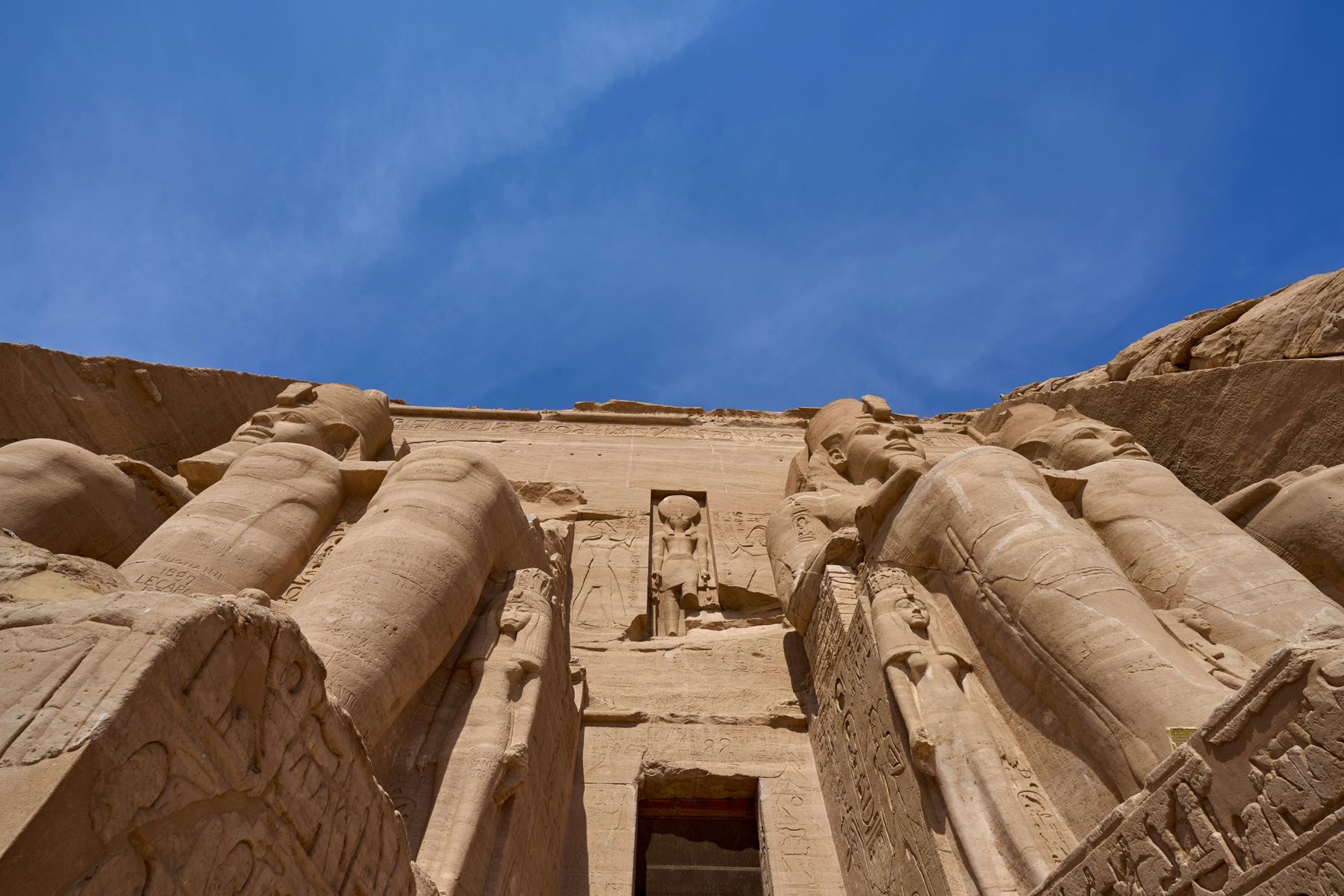
Aswan is the starting point for the road south to Abu Simbel, the colossal temples of Ramses II beside Lake Nasser. The drive takes about three hours each way, which is why most visitors leave in the early hours and return by early afternoon. Staying in Aswan makes it possible to see Abu Simbel and still have time for the city itself.
Where Nile cruises begin and end
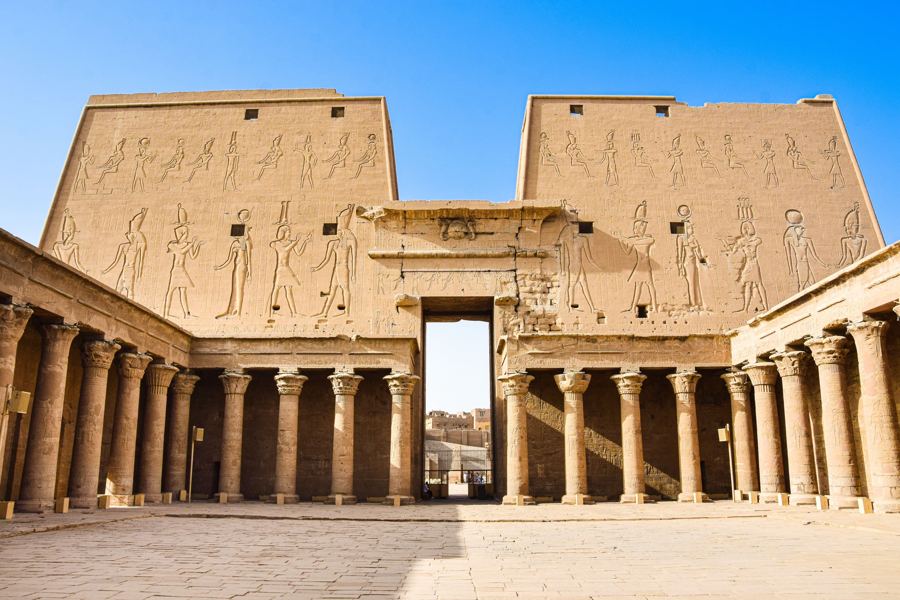
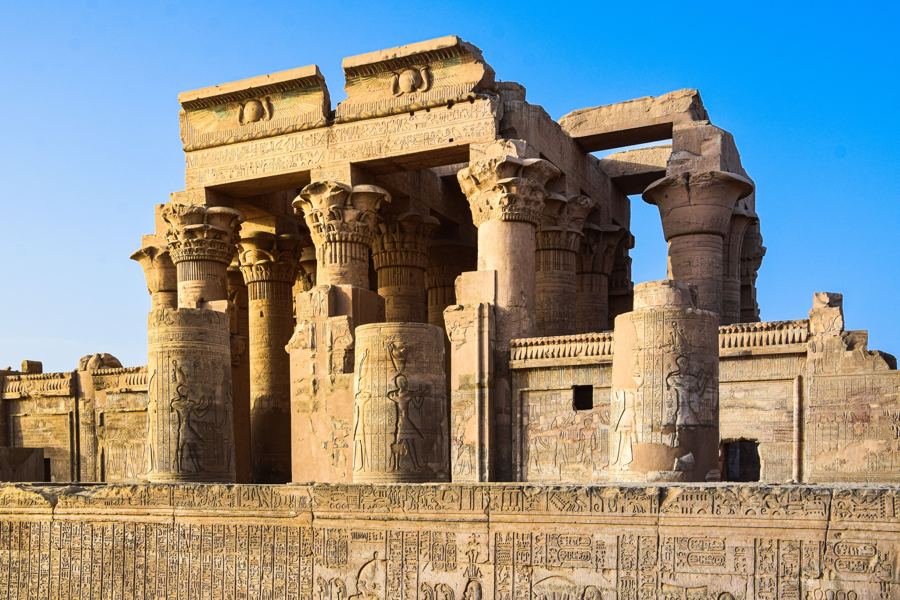
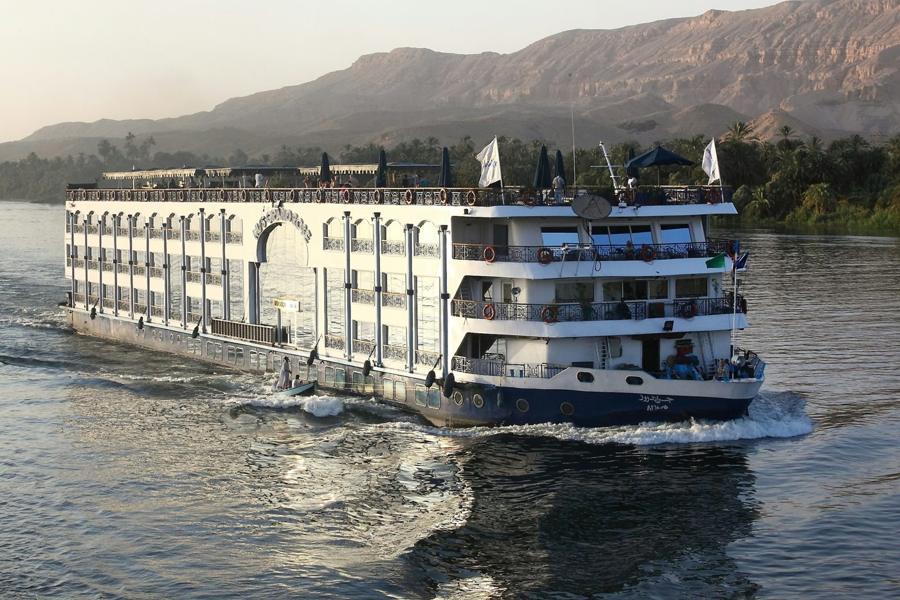
Aswan is also the usual southern end of the classic Nile cruise. Boats sail north to Luxor past Kom Ombo and Edfu, and the Luxor-to-Aswan direction ends here. If you are joining a cruise, a day or two in Aswan before or after it is easy to arrange. See our Aswan–Luxor Nile cruise guides, or ask about a private transfer between the two cities.